
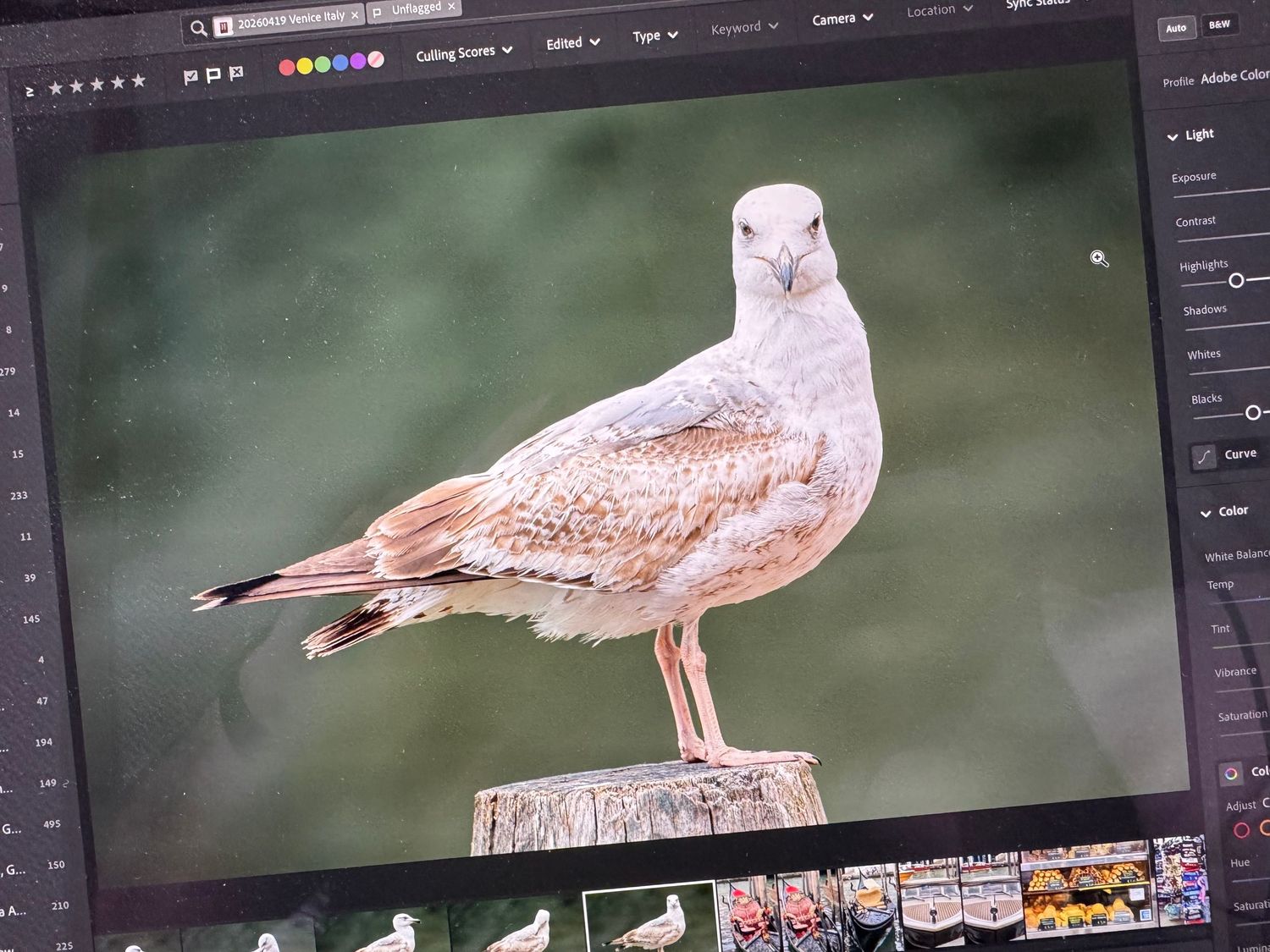
The camera may capture a photograph in a fraction of a second, but creating and delivering that photograph takes considerably longer.
When Frames of Service Foundation photographs a community event, military family, nonprofit program, or meaningful moment, participants usually see only one part of the process: the time spent behind the camera.
What they may not see are the hours of planning beforehand and the careful work that continues after the event ends.
Every completed gallery represents more than a collection of photographs. It reflects preparation, judgment, editing, organization, and a commitment to delivering images that people will be proud to preserve.
The Work Begins Before the Event
A successful photography experience starts well before anyone steps in front of the camera.
Each event has its own purpose, environment, and logistical needs. A community celebration may require broad event coverage and candid storytelling. A portrait station may need consistent lighting and an efficient experience for many participants. A military or nonprofit event may include ceremonial moments that cannot be recreated if they are missed.
Preparation may include coordinating with the host organization, understanding the schedule, identifying important people and moments, preparing equipment, testing lighting, planning image delivery, and considering participant privacy.
The goal is not simply to arrive with a camera.
The goal is to arrive ready.
Every Photograph Requires a Decision
A single event can produce hundreds—or sometimes thousands—of photographs.
Those images must be carefully reviewed. Similar frames are compared. Expressions, focus, composition, lighting, and storytelling value are evaluated. Photographs that may appear nearly identical at first glance can reveal meaningful differences when examined closely.
Sometimes the strongest image is technically perfect.
Other times, the most valuable photograph is the one that captures an expression, interaction, or moment that could never be repeated.
Selecting photographs requires balancing technical quality with human significance. It means recognizing that the image most meaningful to a family may not always be the most dramatic image from a photographer’s perspective.
That process takes time, but it is one of the most important parts of building a thoughtful gallery.
Editing With Care
Once photographs have been selected, editing begins.
Editing is not about transforming people into someone they are not. It is about helping each image reflect the quality and feeling of the moment that was photographed.
That may include adjusting exposure, color, contrast, cropping, or other details that help create a polished and consistent collection. Different environments present different challenges: changing outdoor light, crowded event spaces, fast-moving subjects, dark venues, or a wide range of skin tones and clothing colors within the same scene.
Each photograph must fit within the larger gallery while still receiving the attention it needs.
The goal is consistency without removing authenticity.
People should recognize themselves, their relationships, and their experiences in the final images.
Organizing and Delivering the Story
A strong gallery should do more than contain good individual photographs. It should help participants experience the event again.
Wide photographs establish the environment. Details preserve elements that may otherwise be forgotten. Candid images show relationships and emotion. Portraits give individuals and families something personal to keep.
Together, these photographs create a more complete story.
Before delivery, images must be organized, exported, uploaded, and reviewed. Gallery settings, access information, and download options must also be prepared for the specific event or partnership.
For large events, this behind-the-scenes process can continue long after the equipment has been packed away.
Donated Does Not Mean Lower Quality
Some Frames of Service photography is provided in support of nonprofit organizations, military-connected communities, families, and community programs.
When photography is donated, the financial barrier may be removed—but the professional responsibility remains.
The same preparation, equipment, judgment, editing, and delivery work are still required. The people receiving the photographs deserve care and quality regardless of who paid for the experience.
That principle is central to Photography with Purpose.
Donated photography should never feel like an afterthought. It should reflect the same respect for the participants, the partner organization, and the importance of the moment.
Impact That Continues After Delivery
The value of a photograph is not limited to the day it is taken.
A family may print it years later. A service member may share it with relatives across the world. A nonprofit may use an image to communicate its mission, recognize its volunteers, or show supporters what their work makes possible. A child may look at a portrait and see confidence that they did not recognize in themselves before.
We cannot always know where a photograph will travel or what it will eventually mean to someone.
That is one reason the work behind it matters.
Every review, adjustment, and delivery decision contributes to something that may outlast the event itself.
More Than the Click of a Button
Photography is often described through visible moments: the camera, the flash, the pose, and the sound of the shutter.
But the complete service includes everything surrounding those moments.
It is the preparation that helps ensure important photographs are not missed. It is the patience required to identify the images that matter. It is the editing that brings consistency and care to the finished collection. It is the organization and delivery that place those photographs into the hands of the people they were created to serve.
The shutter may close in an instant.
The responsibility behind the photograph lasts much longer.
That is the work behind every Frames of Service gallery.